
News
Choosing a Mini Excavator for Tight Access and Confined Sites
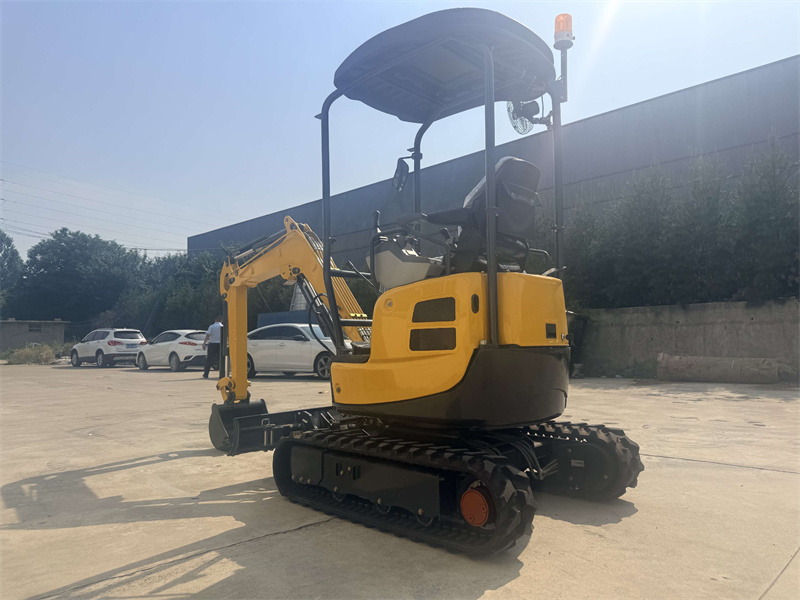
Check access dimensions, swing clearance, digging range, attachment compatibility and transport requirements before choosing a mini excavator.
Contact Us →Landscaping, trenching and site renovation often combine restricted access with limited working space and transport constraints. Selecting a mini excavator starts with the task and site layout. Getting a machine through the gate and completing the job once inside are separate questions.
1. Measure the complete access route
Record clear dimensions at gates, passages, corners and overhead obstructions, and consider ground bearing conditions. Compare them with machine width, height and ground clearance in both transport and working configurations. If considering an expandable undercarriage, confirm its actual adjustment range and the operating restrictions that apply in each position.
2. Check more than the tail-swing description
Review the upper structure tail-swing radius and the path of the working equipment relative to nearby obstacles. A zero-tail or short-tail design can help position a machine in a confined area, but the attachment, tracks and nearby personnel still require clearance. A site plan can help establish the complete working envelope.
3. Review depth, reach and dumping height together
Provide trench dimensions, the target digging position and the height of the receiving vehicle. Compare digging depth, working radius and dumping height. Maximum figures on a specification sheet may not be achievable simultaneously in one position; use the working-range diagram to check the actual task.
4. Define hydraulic attachment needs early
Before selecting a breaker, auger or other hydraulic tool, confirm the coupling, attachment weight, required flow and pressure, return-line requirements and controls. Some tools need additional piping or configuration. A mechanical fit alone does not establish that the combination can operate correctly.
5. Include maintenance and transport in the decision
Consider access to daily inspection points, service items and commonly needed parts. Plan transport using the machine weight in its actual configuration, plus carried attachments. Verify the carrier, loading arrangement and applicable local requirements instead of relying on the tonnage used in a model description.
An enquiry is more useful with access measurements, ground conditions, the main task, target digging depth, attachment requirements and the intended transport method. Confirm the final configuration and operating limits against the agreed technical information.
Explore excavators · Discuss site conditions and model selection